

_edited.png)
.png)
Smart Choices for a Smarter Home in 2026
- Ramona
- Dec 12, 2023
- 2 min read
Updated: Feb 7
What to Know About Alexa, Voice Assistants, and Connected Living
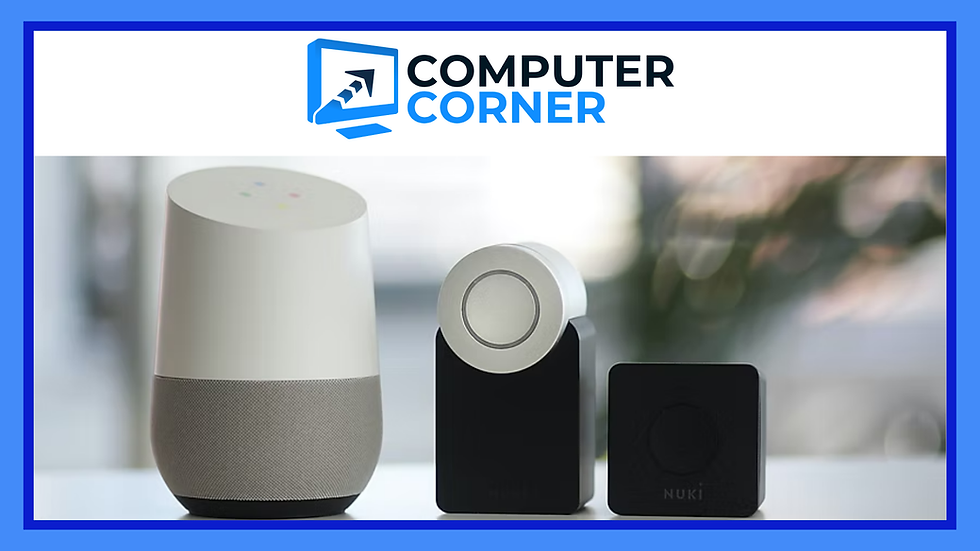
Smart homes aren’t a futuristic idea anymore, they’re just… homes.
Smart Choices for a Smarter Home in 2026
By 2026, voice assistants like Alexa, Google Assistant, and similar systems are woven into everyday routines. Lights turn on with a sentence. Thermostats learn your schedule. Music, reminders, shopping lists, security alerts, all handled hands-free.
Convenient? Absolutely. But like any powerful technology, smart home systems work best when they’re set up thoughtfully.
Smart Homes Are Smarter — and More Connected — Than Ever
Today’s smart home ecosystem is less about flashy gadgets and more about integration.
Voice assistants now connect to:
Lighting, thermostats, and appliances
Doorbells, cameras, and locks
TVs, speakers, and entertainment systems
Calendars, reminders, and routines
In 2026, the focus is smoother experiences, fewer apps, and systems that actually talk to each other. When done right, your home adapts to you, not the other way around.
Convenience Is Great. Awareness Is Better.
Voice assistants are designed to listen for commands, which means microphones are always nearby. That doesn’t mean they’re always recording, but it does mean homeowners should understand how these systems work.
Smart choices include:
Reviewing privacy and voice history settings
Turning off features you don’t use
Knowing which devices are connected (and which don’t need to be)
Using strong passwords and account protection
Smart homes don’t need to be locked down like a bunker, just configured with intention.
One Assistant, One Account, One Plan
One of the most common smart home headaches we see is overcomplication.
Multiple assistants. Multiple accounts. Multiple apps doing the same thing.
In 2026, simpler setups win. Choosing one primary voice assistant and building around it usually leads to:
Better reliability
Fewer connection issues
Easier troubleshooting
Less frustration for everyone in the household
If something feels clunky or unreliable, it’s often a sign the system needs a little cleanup, not more devices.
Security Still Matters at Home
Smart homes live on your network, which means basic cybersecurity still applies.
A few smart habits go a long way:
Keep devices updated automatically
Use a secure Wi-Fi network (and a guest network for visitors)
Enable multi-factor authentication on smart home accounts
Replace default passwords
Your home doesn’t need enterprise-level security, it just needs not-forgotten security.
The Goal: Helpful, Quiet, and Reliable
The best smart homes in 2026 aren’t the loudest or flashiest. They’re the ones you barely notice because everything just works.
Lights respond when you ask. Music plays when you want it. Security alerts show up when they matter.
Technology should support your life, not distract from it.
Smarter Homes Start With Smarter Choices
Smart home tech keeps evolving, but the goal stays the same: comfort, convenience, and peace of mind.
If you’re adding new devices, upgrading an assistant, or just wondering if your setup could work better, a little planning goes a long way. Smart homes don’t need to be complicated, they just need to be intentional.
And in 2026, that’s the smartest choice of all.


